Rehab Pilates
What Is Rehab Pilates and How Is It Different from Regular Pilates?
A practical guide to physiotherapist-led rehab Pilates, how it differs from general fitness Pilates, and who may benefit from this approach in Kuala Lumpur and Selangor.
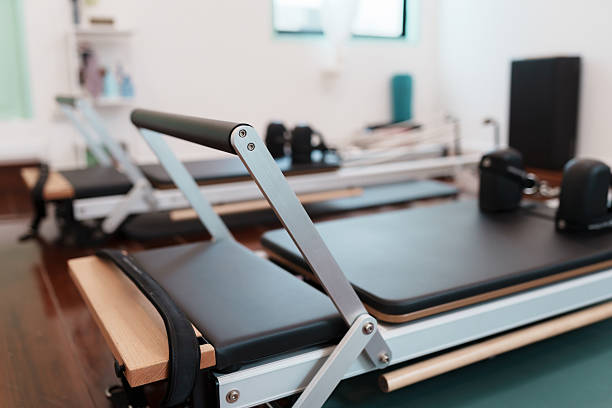
Rehab Pilates is Pilates-informed movement guided by a clinical assessment. Instead of starting with a standard class sequence, the session begins with your symptoms, posture, mobility, strength, breathing pattern and movement habits.
For many people, this makes the work feel calmer and more specific. The goal is not to perform advanced exercises quickly. The goal is to rebuild control, confidence and useful strength in a way that matches your body.
How rehab Pilates differs from regular Pilates
Regular Pilates classes are often designed for general fitness, strength, flexibility and body awareness. They can be excellent for many people, especially when the class level matches your current ability.
Rehab Pilates is more individualised. A physiotherapist or clinically trained instructor can adapt the session around pain, injury history, post-surgery recovery, post-natal needs, posture concerns or movement limitations.
That may mean changing the range of motion, reducing load, choosing a different position, slowing down the tempo or focusing on breathing and alignment before adding challenge.
Who may benefit from rehab Pilates?
Rehab Pilates may be suitable for people who want guided movement support for:
- Back, neck or shoulder discomfort
- Desk-related posture strain
- Sports injury rehabilitation
- Post-surgery strengthening after medical clearance
- Post-natal core and movement recovery
- Scoliosis-informed movement support
- Balance, mobility and confidence in daily movement
It is especially helpful when you want exercise, but you are unsure what is safe or appropriate for your current condition.
What happens in a session?
A session usually begins with a short conversation and movement assessment. From there, the exercises are selected based on what your body needs that day.
Some sessions may focus on gentle control, breathing, pelvic stability and spinal mobility. Others may progress toward reformer work, resistance, balance, strength and sport-specific movement.
The session should feel clear and purposeful. You should understand why an exercise is being chosen, what sensation to expect, and how it connects to your recovery or movement goal.
When should you choose physiotherapy instead?
If your pain is new, worsening, linked to trauma, associated with numbness or weakness, or affecting daily function, it is better to start with physiotherapy assessment first.
Rehab Pilates can support recovery, but it should not replace medical review when symptoms need proper clinical screening.
A simple way to decide
Choose regular Pilates if you are generally well and want group-based fitness or movement conditioning.
Choose rehab Pilates if you want movement training that is adapted around pain, injury, posture, recovery or confidence.
Choose physiotherapy first if you need assessment, symptom screening, manual treatment, injury rehabilitation planning or guidance after surgery or birth.
Related reading
- What Is Pilates? A Beginner’s Guide to How It Works
- Private vs Group Rehab Pilates: Which Setting Fits You Better?
- Corporate Pilates vs an Office Fitness Class: Which Format Fits Your Team?
- Postnatal Pilates in KL: How to Restart Safely After Birth
- Clinical Pilates in Cheras: Rehab-Focused Movement with a Physiotherapist
- Rehab Pilates in Kuala Lumpur: How to Choose the Right Session Safely
- Clinical Pilates vs Regular Pilates: Which Is Better for Recovery?
- Physiotherapist-Led Pilates in KL: Who Is It Suitable For?
- Reformer Pilates for Rehab in KL: Who It Helps and What to Ask Before Booking
- Mat Pilates vs Reformer Pilates: Which Is Better for Beginners and Rehab?
- Beginner Pilates After Injury: How to Start Safely with Rehab-Focused Guidance
- Why Breathing Matters in Pilates-Based Rehab
- Pilates for Back Pain in KL: When It Helps and When to Get Assessed
- Pilates for Scoliosis in Malaysia: Supportive Movement, Not a Quick Fix
Foundational clinical sources and further reading
These authoritative sources provide general background relevant to this topic; they are not claim-by-claim citations. This content is educational and does not replace individual assessment, diagnosis or emergency medical care.
- What is physiotherapy? — World Physiotherapy
- WHO guidelines on physical activity and sedentary behaviour — World Health Organization