Physiotherapy Basics
What Should You Wear to Physiotherapy? A Practical Guide
Wear loose, comfortable clothes that let you move during physiotherapy. See practical options for back, shoulder, hip, knee and ankle assessments.
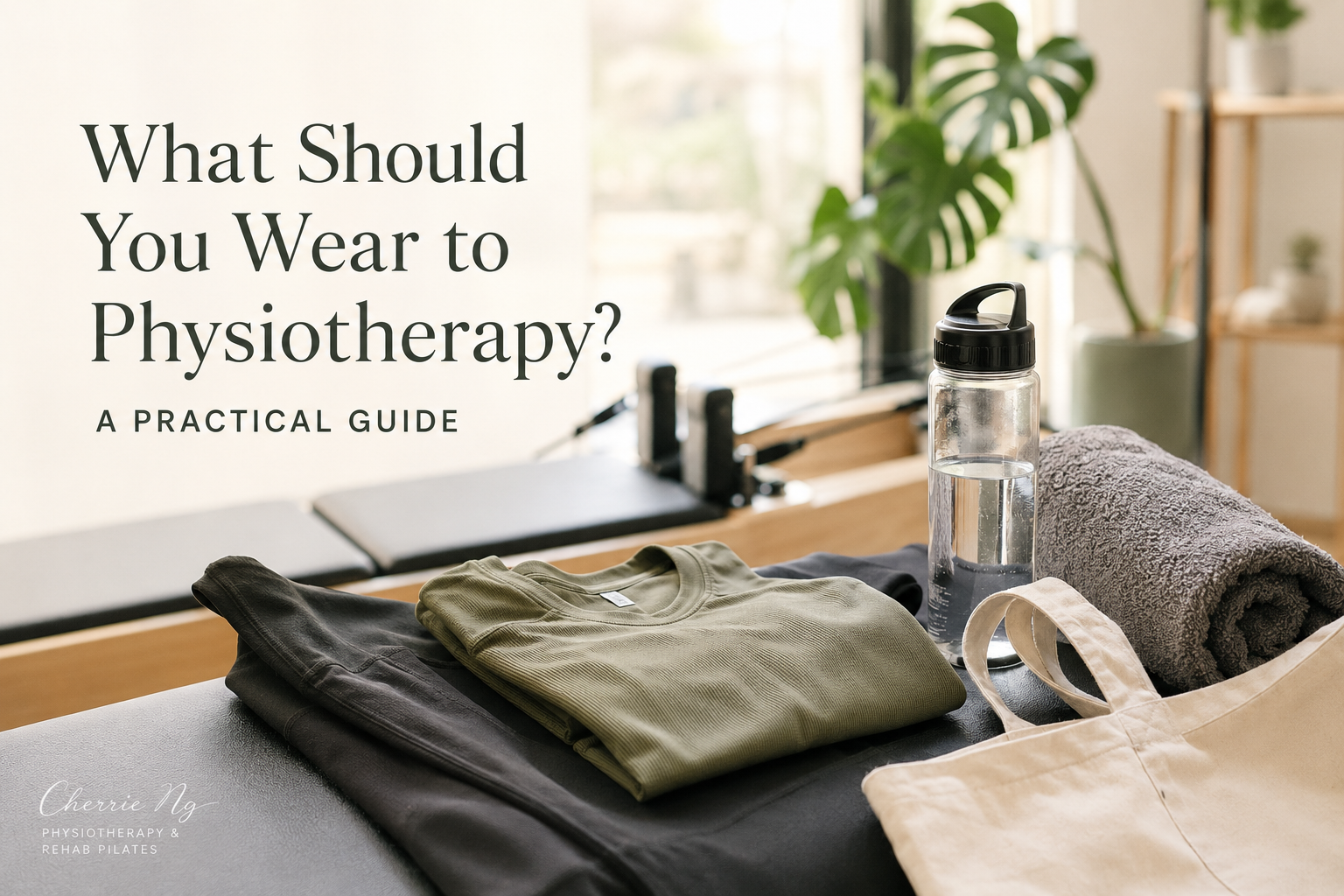
Wear loose, comfortable clothing that lets you bend, reach, walk and exercise without restriction. A T-shirt with shorts, flexible trousers or leggings is a practical default for most physiotherapy appointments. Choose clothing that can be moved easily if the physiotherapist needs to observe the area you are concerned about.
You do not need a new sports outfit or formal clothing. What matters is that you feel comfortable, can move safely and can communicate any privacy or clothing preference before the assessment begins.
A simple outfit that works for most appointments
A useful default is:
- A loose or stretch-friendly T-shirt
- Exercise shorts, flexible trousers or leggings
- Supportive shoes that are easy to remove and put on
- Your usual socks, brace, insole or walking aid if it relates to the concern
- A light extra layer if you tend to feel cold
Several NHS physiotherapy services advise patients to wear loose, comfortable clothing. Some specifically suggest shorts for a leg assessment and a sleeveless or strappy top for the neck, shoulder or arm. Guy’s and St Thomas’ NHS physiotherapy appointment guidance Lancashire and South Cumbria NHS preparation guidance
What to wear for different body areas
Knee, ankle, foot or lower leg
Shorts are often the easiest option because they allow the knee, lower leg and ankle to be seen while you walk, squat or use stairs. Loose trousers that roll safely above the knee can also work.
Bring the shoes you normally use for the activity that causes difficulty. For example, everyday walking shoes, work shoes or running shoes may provide useful context. This does not mean footwear is automatically the cause; it simply helps the assessment reflect what you actually do.
Hip or lower back
Wear flexible shorts, leggings or loose exercise trousers with a comfortable top. Avoid a stiff belt, restrictive jeans or a one-piece outfit if these make bending, sitting or lying down difficult.
The physiotherapist may want to observe walking, sitting, bending, hip movement or a functional task. Clothing should let you perform these naturally rather than forcing you to move around the fabric.
Neck, shoulder, upper back or arm
A loose short-sleeve or sleeveless top can make it easier to observe shoulder and arm movement. If you prefer more coverage, wear something flexible and tell the physiotherapist what you are comfortable adjusting.
General mobility, balance or post-surgery rehabilitation
Choose clothes and footwear that feel secure when standing, turning and walking. Bring any brace, walking stick, crutch or walker that you currently use, together with the instructions or precautions provided by your medical team where relevant.
If you have post-operative restrictions, follow those instructions rather than changing clothing, footwear or supports solely for the appointment.
What about a home physiotherapy visit?
The same clothing advice applies to a home visit in Kuala Lumpur or Selangor: wear something comfortable enough for movement and appropriate for the area being assessed. You can also keep your usual shoes, walking aid or exercise equipment nearby so the session reflects your real home routine.
Prepare a clear space where you can safely stand, walk a few steps and use a sturdy chair. You do not need to buy special clothing or equipment before the first visit.
What clothing is less practical?
Try to avoid items that significantly restrict movement or make the relevant area difficult to access, such as:
- Stiff jeans or tight non-stretch trousers
- Long skirts that could catch around the feet during movement
- Formal workwear that you are worried about creasing or sweating in
- Complicated one-piece outfits
- Unstable shoes for an appointment likely to include walking or balance tasks
These are practical suggestions, not rules. If you are coming directly from work, have limited clothing choices or need to dress a certain way for personal, cultural or religious reasons, say so. The assessment can be discussed and adapted.
Will I have to remove clothing?
Not automatically. A physiotherapist may explain that moving or removing an item would help them observe or examine an area, but your consent is required before assessment or treatment. The Chartered Society of Physiotherapy describes consent as voluntary, informed and ongoing—not a one-off event. CSP guidance on consent in physiotherapy practice
You can ask why access is useful, request an alternative, decline, or stop at any point. The Health and Care Professions Council’s patient guidance also says that people should understand why undressing is requested, receive privacy, and be able to say that they do not wish to remove clothing. HCPC guidance on what to expect from a health professional
If modesty, religious practice, scars, body image, trauma history or another concern affects what feels acceptable, mention it before the physical assessment. Clear communication helps the physiotherapist plan respectfully.
Do shoes matter?
Wear footwear you can move safely in and bring activity-specific shoes when they are relevant. The assessment may include watching you walk, balance, get out of a chair, bend or perform a movement related to work or sport. The American Physical Therapy Association’s patient resource recommends avoiding non-stretch clothing because treatment activities may begin during the first visit. ChoosePT preparation guide
You may be asked to remove your shoes for some tests, so footwear that is easy for you to manage can make the appointment simpler. If putting shoes on is itself difficult, do not hide that—it can be useful functional information.
What else should you bring?
Alongside suitable clothing, consider bringing:
- A medication list and relevant medical or imaging reports
- Referral letters, post-surgery instructions or exercise precautions
- Your current brace, insole or walking aid
- A short list of questions and goals
- A video of the movement or activity that triggers the problem, if safe to record
Clothing supports the assessment, but your symptom history, daily challenges and goals are equally important.
Frequently asked questions
Can I wear jeans to physiotherapy?
You can, but stiff jeans may limit squatting, bending or access to the knee and hip. If possible, bring shorts or flexible trousers to change into.
Can I wear a dress or skirt?
You can wear what makes you comfortable, but a long or restrictive dress may make some movement tests less practical. Bringing shorts or leggings as an alternative can help if you are comfortable doing so.
Do I need sports shoes?
Not for every assessment. Wear safe, comfortable footwear and bring the shoes used for the activity you want assessed when relevant. If walking barefoot or removing footwear is not appropriate for you, tell the physiotherapist.
What if I forgot to dress for exercise?
Tell the physiotherapist at the start. The session can still include discussion, history-taking and the movements that your clothing allows. You can agree on whether any other testing should wait.
Related reading
- What Happens During Your First Physiotherapy Session?
- What to Prepare Before a Physiotherapy Assessment
- Home Physiotherapy in Kuala Lumpur: What to Expect
Sources and clinical references
- Guy’s and St Thomas’ NHS physiotherapy appointment guidance
- Lancashire and South Cumbria NHS preparation guidance
- CSP guidance on consent in physiotherapy practice
- HCPC guidance on what to expect from a health professional
- ChoosePT preparation guide
If you are preparing for physiotherapy in Kuala Lumpur or a home visit in selected Selangor areas, you can WhatsApp Cherrie with your main concern and ask whether you should wear or bring anything specific for the planned assessment.
Foundational clinical sources and further reading
These authoritative sources provide general background relevant to this topic; they are not claim-by-claim citations. This content is educational and does not replace individual assessment, diagnosis or emergency medical care.
- What is physiotherapy? — World Physiotherapy