Sports Rehab
Sports Injury Rehab in KL: Why Rest Alone Is Usually Not Enough
A practical guide to sports injury rehab in KL, including assessment, load management, strength work and safe return to training.
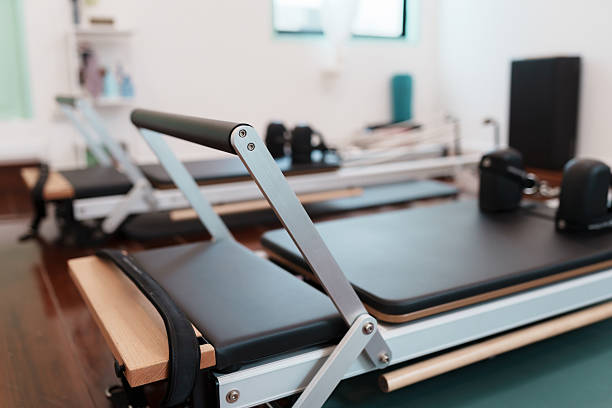
Sports injury rehab in KL can help you move from simply waiting for pain to settle toward rebuilding strength, control, confidence and sport-specific tolerance. Rest may calm an irritated area, but it usually does not prepare the body for running, jumping, lifting, changing direction or returning to training volume.
The right rehab plan depends on the injury, your sport, your current symptoms and what you need to return to. A physiotherapy assessment helps clarify what is safe now, what needs time, and how to progress without guessing.
Common sports injury situations
People often seek sports injury rehab when pain or injury affects training, competition or active hobbies. Common situations include:
- Knee pain during running, squats, stairs or court sports
- Ankle sprain that still feels weak, stiff or unstable
- Shoulder pain during gym, swimming, racket sports or Pilates
- Back pain after lifting, training changes or repeated impact
- Muscle strains that improve but keep returning
- Pain that appears only at higher speed, load or distance
- Fear of re-injury after a fall, twist or previous flare-up
- Uncertainty about when to return to sport
These situations need more than a generic exercise list. The same pain location can have different contributors depending on training load, technique, strength, mobility, recovery, footwear, sleep and previous injury history.
Why rest alone is usually not enough
Rest can be useful in the early stage, especially when symptoms are irritable. But if rest is the only strategy, you may return to sport with the same strength, mobility, balance or load-tolerance gap that contributed to the problem.
For example, an ankle sprain may feel better during daily walking but still need balance, calf strength, hopping and direction-change work before sport. A knee may feel fine at rest but become painful when running volume or jumping load increases too quickly.
Good rehab is not about rushing. It is about gradually reintroducing the right demands so your body has time to adapt.
What a sports physiotherapy assessment may look at
A sports injury assessment usually starts with your injury story: how symptoms began, what training looked like before the injury, what makes symptoms better or worse, and what sport or activity you want to return to.
Cherrie may then look at movement, strength, mobility, balance, single-leg control, jumping or landing mechanics where appropriate, training load, footwear, posture habits and how symptoms respond to different tasks.
The goal is to identify a safe starting point. Some people need to reduce irritation first. Others may be ready for progressive strengthening, running drills, Pilates-based control work, or a staged return to sport.
What sports injury rehab may include
Depending on the assessment, physiotherapy may include:
- Education about pain, tissue healing and activity pacing
- Short-term training modification rather than complete stopping
- Strengthening for the injured area and related joints
- Balance, coordination and single-leg control exercises
- Mobility work where stiffness is limiting movement
- Sport-specific progressions such as running, landing or change-of-direction drills
- Rehab Pilates principles for control, breathing and load awareness
- A home exercise plan that progresses with symptoms and performance
Rehab should be specific enough to match your sport, but flexible enough to respect your current tolerance. Sharp pain, swelling, limping, instability or symptoms that worsen after each session are signs the plan may need adjustment.
When to seek assessment or medical care
Consider physiotherapy if pain lasts more than a few days, keeps returning with training, affects running or lifting, comes with swelling, changes your movement, or makes you unsure whether sport is safe.
Seek medical care promptly if pain follows major trauma, you cannot bear weight, there is obvious deformity, severe swelling, sudden weakness, numbness, chest pain, shortness of breath, fainting, fever, calf pain or swelling, or symptoms that feel unusual for you.
Related reading
- Sports Physiotherapy in KL: Injury Rehab for Active Adults
- Physiotherapist in Subang: Home-Based Recovery and Movement Support
- Physiotherapist in Bukit Jalil: Home Visits and Rehab Support
- Return-to-Sport Physiotherapy: How to Know You Are Ready
- Runner’s Knee Physiotherapy in KL: Load, Strength and Recovery
- ACL Rehab Physiotherapy in KL: Phases of Return to Sport
- Ankle Sprain Physiotherapy in KL: Why Balance Training Matters
- Mobility vs Flexibility: Which One Matters More for Rehab?
- Lower Back Pain Physiotherapy in KL: Common Causes and Next Steps
- Gym Injury Physiotherapy: When to Modify Training Instead of Stopping
- Kinesio Taping in Physiotherapy: What It Does and Does Not Do
- Heat or Ice for Pain: A Physiotherapist’s Practical Guide
- Should Exercises Hurt During Rehab? How to Understand Pain Signals
If you are in Kuala Lumpur or Selangor and a sports injury is affecting training, gym, running or active hobbies, you can WhatsApp Cherrie to ask whether physiotherapy or rehab Pilates-informed support may be suitable.
Foundational clinical sources and further reading
These authoritative sources provide general background relevant to this topic; they are not claim-by-claim citations. This content is educational and does not replace individual assessment, diagnosis or emergency medical care.
- What is physiotherapy? — World Physiotherapy
- Musculoskeletal health — World Health Organization
- WHO guidelines on physical activity and sedentary behaviour — World Health Organization