Ankle Foot
Customized Insole Assessment in Malaysia: What to Expect
Learn what a customized insole assessment may examine, how fitting works, and why insoles should match symptoms, footwear and activity.
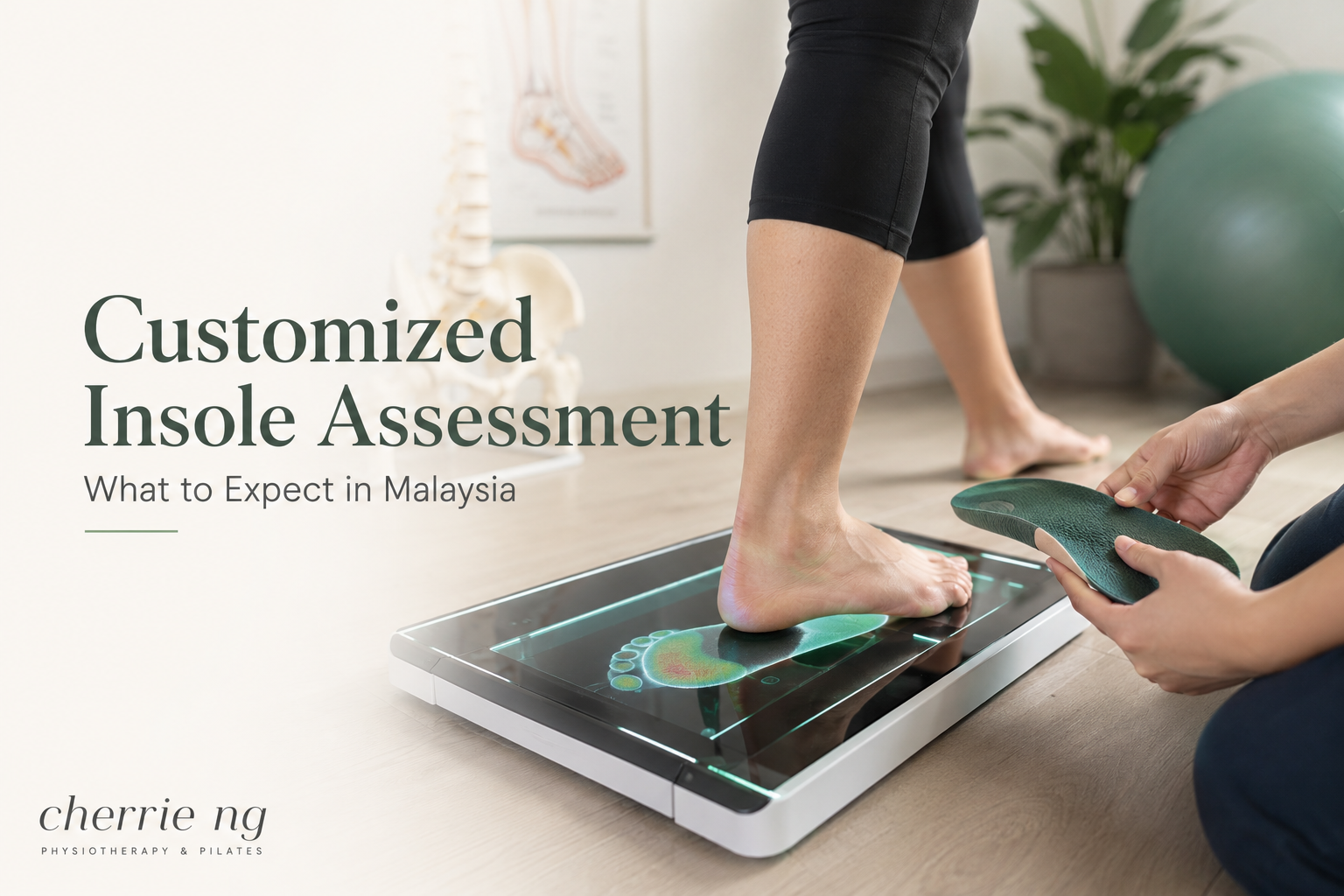
A customized insole assessment in Malaysia should involve more than looking at a footprint or choosing an arch height. A useful assessment considers your symptoms, foot and ankle function, walking, footwear, daily demands and activity goals before deciding whether an insole may help. Not everyone with foot pain or flat feet needs a customized device.
This article is general education, not a diagnosis or a promise that insoles will remove pain. New or severe symptoms, wounds, numbness, circulation changes or difficulty bearing weight need appropriate medical assessment.
What is a customized insole?
A customized insole is made or adjusted for an individual’s foot shape, symptoms and intended use. It sits inside suitable footwear and may be used to support or accommodate the foot, redistribute pressure, or make standing and walking more comfortable.
This is different from a general shop-bought insert, although an off-the-shelf option can still be appropriate for some people. A higher price or a more rigid device does not automatically mean a better result. The choice should be based on assessment, fit, comfort and response.
Who may consider an insole assessment?
An assessment may be useful if you have:
- Recurring heel, arch, forefoot or ankle discomfort
- Foot fatigue during long periods of standing or walking
- Pressure points or calluses that make footwear uncomfortable
- Symptoms that return with work, running, hiking or sport
- A noticeable difference between the feet or a recent change in foot posture
- Difficulty finding supportive footwear that suits your activity
- An existing insert that causes discomfort or no longer feels suitable
Foot shape alone is not enough to decide. Many people have low arches without pain, while foot pain can occur in people with different arch shapes. The assessment should focus on the problem you want to solve and the activities you need to manage.
What happens during a customized insole assessment?
Cherrie may begin by asking where your symptoms are, when they started, what makes them better or worse, and how they affect work, walking, exercise or sport. Previous injuries, health conditions, current rehabilitation and your experience with past insoles are also relevant.
The physical and movement assessment may include:
- Standing foot posture and how each side differs
- Walking and other tasks related to your symptoms
- Ankle and big-toe mobility
- Calf, foot, knee and hip strength or control
- Balance and single-leg function
- Areas of tenderness, pressure or skin irritation
- The fit, condition and purpose of your usual footwear
The aim is not to force every foot into a visually “ideal” position. It is to understand whether support could improve comfort or function, and whether mobility, strength, load management, footwear changes or further medical review should also be considered.
What should you bring?
Bring the shoes you wear most often, especially footwear used when symptoms occur. This may include work shoes, walking shoes, running shoes or sports footwear. Bring current or previous insoles too, even if they did not help.
It is also useful to know how long you can stand or walk before symptoms change, whether there has been a recent increase in activity, and what outcome matters to you. Relevant medical reports can help when there has been an injury, surgery or ongoing medical care.
Customized or off-the-shelf: which is better?
Neither option is automatically best for everyone. A suitable off-the-shelf insert may provide enough comfort and support for some conditions. A customized insole may be considered when foot shape, pressure distribution, footwear needs or response to simpler options requires a more individual approach.
Whichever option is used, the insole should fit securely inside the shoe without crowding the toes or causing new rubbing, pressure, numbness or pain. Footwear with enough depth and a stable base is often important to how the insert performs.
What happens after fitting?
Some people need a gradual adjustment period rather than wearing a new insole for a full day immediately. Wear time and activity can be increased according to comfort and the guidance provided during fitting.
Check for new pressure areas, skin irritation, numbness or symptoms that become progressively worse. These are reasons to stop or reduce use and arrange a review. Follow-up may involve checking comfort, shoe fit and function, then adjusting the device or plan if needed.
An insole is usually one part of care. Depending on the assessment, physiotherapy may also address calf and foot strength, ankle mobility, balance, walking or running load, and a gradual return to activity.
When to seek medical care
Seek prompt medical care if you have an open wound, rapidly increasing redness or swelling, fever, a cold or discoloured foot, new numbness or weakness, severe pain after trauma, or an inability to bear weight. People with diabetes, reduced sensation, circulation problems or a history of foot ulcers should seek appropriate medical or foot-care guidance before self-selecting an insert.
Arrange an assessment if pain is persistent, one foot has changed shape recently, or an insole creates new symptoms. A device should not be used to mask a worsening problem without understanding the cause.
Related reading
- Flat Feet, Foot Posture and Insoles: When Do They Matter?
- Plantar Fasciitis Physiotherapy: Foot Pain in the Morning
- Ankle Mobility After a Sprain: When Stiffness Becomes a Problem
Frequently asked questions
How long does it take to get used to customized insoles?
It varies. Some people feel comfortable quickly, while others need to build wear time gradually. New pain, numbness, rubbing or persistent pressure should be reviewed rather than pushed through.
Do customized insoles permanently correct flat feet?
They are generally used to support or accommodate the foot and improve comfort or function. They should not be presented as a guaranteed permanent correction for adult foot shape.
Will I still need exercises if I use insoles?
Possibly. If strength, mobility, balance or activity load contributes to the problem, an exercise and rehabilitation plan may still be useful. The insole and rehabilitation should serve the same functional goal.
If you are in Kuala Lumpur or Selangor and foot discomfort, fatigue or footwear pressure is affecting daily activity, you can WhatsApp Cherrie to ask whether physiotherapy and a customized insole assessment may be suitable.
Foundational clinical sources and further reading
These authoritative sources provide general background relevant to this topic; they are not claim-by-claim citations. This content is educational and does not replace individual assessment, diagnosis or emergency medical care.
- What is physiotherapy? — World Physiotherapy
- Musculoskeletal health — World Health Organization